Business Name: BeeHive Homes of Hobbs
Address: 1928 W College Ln, Hobbs, NM 88242
Phone: (505) 591-7023
BeeHive Homes of Hobbs
Beehive Homes of Hobbs assisted living is ideal for those who value their independence but require help with some of the activities of daily living. Residents enjoy 24-hour support, private bedrooms with baths, medication monitoring, home-cooked meals, housekeeping and laundry services, social activities and outings, and daily physical and mental exercise opportunities. Beehive Homes memory care services accommodates the growing number of seniors affected by memory loss and dementia. Beehive Homes offers respite (short-term) care for your loved one should the need arise. Whether help is needed after a surgery or illness, for vacation coverage, or just a break from the routine, respite care provides you peace of mind for any length of stay.
1928 W College Ln, Hobbs, NM 88242
Business Hours
Monday thru Sunday: 9:00am to 5:00pm
TikTok: https://tiktok.com/@beehivehomeshobbs
YouTube: https://www.youtube.com/@WelcomeHomeBeeHiveHomes
Facebook: https://www.facebook.com/Beehivehomeshobbs
Instagram: https://www.instagram.com/beehivehomeshobbs
Families often begin the search for dementia care with a spreadsheet of functions and prices. The list assists, but it can miss the felt experience of a location. Culture, not just medical proficiency, shapes whether an individual dealing with dementia feels safe, reputable, and engaged. Culture shows up in the music a caretaker hums while helping with a shower, the way breakfast is used, the perseverance shown when words stall, and the self-respect preserved when a resident wishes to wear her preferred cardigan on a hot day since it came from her sibling. When care aligns with who a person is, the scientific pieces follow more naturally. When it does not, even excellent healthcare can land as cold or controlling.
Person-centered dementia care starts with that facility. Every option, from staffing to everyday routines to how shifts are dealt with, is arranged around the individual instead of a one-size-fits-all program. Cultural fit sits inside person-centered care, not along with it. If the culture of a memory care house or home care group does not match the values and history of the person, regimens will strain, behaviors will intensify, and households will take on more stress than they require to.
What person-centered dementia care really looks like
I dealt with a man who invested his career on a dairy farm. The very first community his family picked had a smooth lobby and hectic activity calendar. He was miserable. He paced, swore, and attempted to "clock in" at the front desk each early morning. When he transferred to a smaller sized home with a raised garden bed and an employee who had grown up on a cattle ranch, his agitation come by half within 2 weeks. He began sleeping again. No medication altered. The culture did.
Person-centered dementia care is not about indulging every whim. It is organized, however versatile. It offers structure to the day, lowers decision tiredness, and provides options that map to longstanding preferences. It deals with habits as interaction, not issues to stop. It balances security with autonomy. It also acknowledges that people with dementia are still ending up being. Even with amnesia, they react to new relationships, rhythms, and sensory cues. Care should leave space for that growth.
Several threads dependably identify person-centered programs from task-centered ones. Time is secured for unhurried care. Staff know the resident's life story beyond a few bullet points. There is continuity of caregivers, particularly across early mornings and nights when confusion peaks. The physical environment supports orientation with cues at eye level, clear sightlines, shadow-free lighting, and familiar things from the person's life. Menus and activities seem like home, not a cruise program. Families are coached as partners, not treated as visitors.
Culture appears in little choices that add up
Culture can sound abstract until you discover concrete choices.
Meals are a fine example. In one home, breakfast was plated and served at 7:30 sharp. Citizens who liked cereal with sliced bananas were great. A woman who always consumed toasted conchas and cinnamon tea for years barely touched her food. She lost 5 pounds in six weeks before the team welcomed her child to teach the cooking area staff how to prepare pan dulce and chamomile tea with milk. Weight supported. Intake improved due to the fact that the food tasted like her life.
Language and humor also bring culture. I have seen a stoic Korean grandpa unwind when a caretaker welcomed him with a bow and a phrase his daughter taught the personnel. A retired high school coach lit up when an assistant started calling him "Coach," then utilized a whiteboard to sketch plays during early morning workout. He would grab the marker every time.
Culture consists of sensory convenience. Some individuals desire peaceful. Others require music or movement. A resident with sophisticated dementia who whistled jazz riffs during dinner was not attempting to interfere with others. He was relaxing himself. Moving him to a table on the patio, where he could whistle without reprimand, repaired more than any medication could.
Faith traditions, family functions, and local identities matter. So do identities that have actually not constantly been honored in health care, consisting of LGBTQ+ senior citizens who have reason to fear discrimination and people of color whose families have browsed predisposition. A program's policy handbook can declare inclusion. The genuine test is whether partners are recognized throughout care planning, whether staff know proper pronouns without being fixed twice, and whether hair, skin, and food customs are appreciated without a family needing to advocate daily.
What to watch for on tours and calls
Websites get polished. Trips are curated. The quickest way to understand a program's culture is to observe how it behaves when you are not in the sales workplace. Program up early for a set up visit and ask to wait near a common location. Enjoy how personnel speak to citizens when they are helping with a transfer or rerouting a duplicated concern. Try to find eye contact, gentle touch, and humor. Listen for hurried guidelines or corrections provided from throughout the room.
If you ask a question, see whether the response begins with policy or with the individual. When you describe your mother's habit of concealing bread rolls in her sweater pocket, does the staff member laugh with recognition elder care and offer concepts that appreciate her comfort? Or do they price estimate a rule about food outside the dining room?
Here is a brief, practical checklist to anchor those observations without getting lost in marketing claims:
- Ask who will remain in the space throughout intimate care, and how continuity of caretakers is kept throughout weeks, not just shifts. Request concrete examples of how the team adapted meals, activities, or routines to match a resident's culture or life story. Inquire about training hours specifically for dementia care, consisting of nonpharmacologic approaches to distress, not just basic senior care. Observe a transition, such as mealtime or shift modification, and note whether homeowners appear oriented and supported or adrift and waiting. Clarify how family members are involved in care planning and whether personnel offer structured training for at-home interactions or respite care weekends.
Five minutes of unstructured observation often informs you more than a pamphlet's adjectives. I have actually changed suggestions after watching one resident try to stand during lunch while staff walked past her 3 times. Nobody was unkind. They were merely extended beyond capacity.
Staffing, skill mix, and the pace of care
Ratios are not the whole story, however they matter. In memory care settings I trust, daytime staffing typically ranges from one caretaker for 5 to seven residents, with extra assistance throughout mornings when bathing and dressing take more time. Evenings might adapt to one to eight or one to 10, depending upon the layout and resident mix. Night staffing is normally leaner, in some cases one to twelve, with a nurse on call if not on site. Numbers vary by state and acuity. What matters is whether the team has enough hands and the right mix of abilities to keep care unhurried.

Training is the next pillar. Effective programs exceed a single orientation day. I try to find a minimum of 12 to 24 hours of preliminary dementia-specific training and quarterly refreshers that include role-play, de-escalation, and communication without confrontation. Staff needs to be able to discuss why arguing truths with someone who is confabulating seldom works and how to verify sensations while redirecting with purpose. They must comprehend how unattended pain mimics agitation and how urinary tract infections can provide as unexpected confusion.
Watch for how leaders secure time for training instead of "fitting it in" on a double shift. Ask whether on-the-job training is part of the culture. In one house, the lead assistant brought laminated scenario cards in her pocket and ran five-minute drills throughout natural stops briefly in the day. That sort of practice shows in the quality of care.
Continuity lowers distress. People with dementia interpret the world through patterns. When faces change frequently, so does trust. Programs that limit company usage and keep a steady core of caretakers see fewer falls and less emergency transfers. If turnover is high, a program may struggle to provide the culture it advertises, no matter how genuine the intentions.
Safety without removing autonomy
Safety matters. Roaming danger, swallowing troubles, and fall dangers can turn regular minutes into crises. The error is dealing with security as the only worth. When we protect an individual so thoroughly that they never ever get to select, we shrink their world. The art depends on developing guardrails that protect dignity.
Consider doors. Locking a memory care community can minimize elopement threat, however it can likewise seem like a cage if motion inside is limited and outdoor access is uncommon. Some communities utilize interior walking loops with significant locations and unlock protected courtyards throughout the day. Personnel accompany residents on boundary strolls after lunch when restlessness peaks. Sensor innovation, like discreet door notifies or wearable trackers, adds a layer of safety without public shaming.
Meals present comparable trade-offs. An individual with advanced dementia who insists on consuming rapidly may aspirate without cueing. Positioning a fast eater at a table near personnel, utilizing smaller utensil portions, and introducing quick stops briefly with a sip of thickened liquid protects self-reliance much better than enforcing spoon feeding from the start. If somebody pockets food, you can change textures, use finger foods, and keep a close eye without infantilizing them.
Medications deserve scrutiny. Antipsychotics can soothe severe aggression, but they carry genuine risks, consisting of increased death. In programs that purchase nonpharmacologic techniques, I see antipsychotic use under 10 percent for locals without a psychotic condition. When rates are higher, I ask why. There are cases where medication brings back lifestyle. There are likewise cases where better staffing and engagement alter the trajectory.
Activities that feel like life, not therapy
Activities are a window into culture because they reveal what a program thinks locals can do. The word "activity" can also misinform. A loud bingo session might exhaust an individual who flourished on peaceful crafts. A resident who never ever delighted in group games will not discover joy in them after amnesia. I prefer programs that build layers of engagement: group options for those who like business, one-on-one minutes for those who pull back from noise, and purposeful tasks that echo real work.
For a retired seamstress, sorting buttons by color, then stitching large felt shapes, supports mastery and identity. For a previous accounting professional, balancing a mock journal or assisting count stock for the snack shelf channels skills. A garden enthusiast might deadhead flowers every morning on the outdoor patio. A former teacher might lead a simple reading circle, with personnel triggering names and dates in a manner that avoids quiz-show pressure.
Music is powerful. Customized playlists, produced with household input, can minimize agitation and trigger enjoyable memories. So can scent. Baking cinnamon rolls at 3 p.m. Settles a roaming corridor much better than a "quiet time" indication. Movement matters too. Not everyone takes pleasure in chair yoga, however most people feel better after a walk down a sunlit corridor, a stretch at the window, or a few minutes of tossing a beach ball.
Watch for whether activities personnel work in rhythm with care staff. If the two groups are siloed, the day fractures. Strong programs sew the pieces together: an early morning stretch that functions as a range-of-motion check, a laundry-folding session that becomes life-skills treatment without the label.
How memory care, respite care, and home support interlock
Person-centered dementia care rarely occurs in a single setting. Over months or years, numerous families mix home care, respite care, adult day programs, and residential memory care. The most sustainable plans are sincere about limits and versatile about timing.
Respite care is underused. A three to seven day remain in a memory care home can stabilize sleep and cravings for a person coping with dementia while providing the main caregiver area to recover. I have actually seen partners return steadier, all set to continue at home for months. The key is preparing the respite team with in-depth routines and cultural notes. If Dad anticipates coffee in his blue mug at 6 a.m., write that down. If Mom naps after lunch only if she listens to Patsy Cline, include the playlist. Excellent programs deal with respite remains as full members of the community, not short-term boarders.
Home care groups can anchor person-centered care when move-in feels early or economically out of reach. The very same cultural principles apply: match caretakers on language, temperament, and interests when possible. Align schedules with the individual's natural day, not the company's roster. Rotate sparingly. Families who combine home care with adult day programs often discover a sweet area of engagement and rest. A day center that cooks regional meals, honors faith holidays, and trains staff on dementia communication can be as valuable as any medical intervention.
When a move to residential memory care becomes required, programs that invite trial days or short respite stays produce gentler transitions. Familiar faces at move-in decrease distress. Some neighborhoods dispatch a caregiver to shadow during the very first week, bridging new routines with patterns from home.
When the fit is not perfect
Perfect alignment is unusual. A rural family might just have one memory care community within an hour's drive. A program that stands out at engagement may fight with complicated medical requirements. Budget plans include real restrictions. Even within limitations, subtlety helps.
If the only close-by neighborhood deals with cultural food choices, consider pre-arranged household meals as soon as a week, dish sharing, and a little resident pantry with identified favorites. If language matching is spotty, recruit a bilingual volunteer from a local church or high school to visit during peak confusion times. If staffing ratios feel tight, inquire about essential hours when additional assistance can be arranged and record the plan.
Sometimes a neighborhood enhances. I worked with a house that had high turnover and a rigid dining schedule. After a series of family meetings and leadership changes, they opened a versatile breakfast window, supported a resident-run morning coffee club, and restructured projects so that the same two assistants consistently covered the exact same corridor. Six months later on, fall rates were down 20 percent, and households were not picking up their loved ones to "give them a break" as typically. Culture shifted due to the fact that individuals demanded it and leaders responded.
Costs, coverage, and financial judgment calls
Costs vary by state and level of care. In numerous areas, month-to-month rates for residential memory care variety from 4,000 to 9,000 dollars, with higher fees for included support like two-person transfers or insulin management. Home care frequently runs 28 to 45 dollars per hour, more in metro areas, with over night rates that can extend a budget rapidly if 24-hour protection is needed. Adult day programs are normally 70 to 150 dollars each day, in some cases with moving scales.
Medicare does not spend for long-term custodial care, whether in the house or in a house. It does cover medical services, hospice, and some home health if experienced requirements exist. Medicaid might money memory care or at home assistance through waivers, but eligibility and waitlists vary by state. Long-term care insurance coverage can assist if the policy is active and benefits are not exhausted. Veterans and surviving partners need to inquire about Help and Participation benefits.
When money is tight, I counsel families to think in stages. Use respite care tactically after hospitalizations or during caregiver health problem, not just when overwhelmed. Prioritize protection throughout high-risk times of day, such as mornings and late afternoons, and depend on family or volunteer support throughout steadier hours. Pick a community that enables aging in location to prevent expensive and disruptive 2nd relocations. Get whatever about extra charges in composing, from incontinence supplies to transportation.
Measuring whether culture and care are working
After move-in, households often worry that they missed out on something. You can evaluate fit with a couple of useful metrics over the first 6 to eight weeks.
Watch weight patterns and cravings. A small dip throughout shift is common. Continuous weight loss is not. Track sleep by asking the night staff how many hours your loved one typically gets and whether they wake distressed. Keep in mind falls and what changed later. One fall in a brand-new environment may be bad luck. Two or 3 recommend mismatched routines or inadequate supervision.
Ask for habits logs, not to authorities staff, but to understand patterns. If afternoon pacing spikes on days without outside time, that is a fixable cue. If confusion aggravates right after showers, adjust the schedule, water temperature, or the person helping. Person-centered groups invite this detective work. They see household insights as essential, not interference.
Quality likewise displays in the intangibles. Does your loved one look for particular employee? Do they greet you with curiosity rather than panic? Are their clothes clean and mended, their glasses without smudges, their hair combed the method they constantly liked it? These little dignities often forecast the huge outcomes.
Two vignettes that explain the stakes
A retired Navy machinist and his child toured 3 neighborhoods. The shiniest one highlighted a theater space and aromatherapy. The 2nd, smaller sized by half, smelled like soup and lemon oil. Throughout the visit, a resident who wore a ball cap kept circling around the hall, saluting a picture of a ship. A caretaker carefully saluted back every time with a smile. The machinist discovered. He teared up in the car park and stated, "They speak my language." Six months later, his daughter reported fewer outbursts and more contented afternoons viewing black-and-white war documentaries with a team member who asked him to teach her the knots he once tied on deck.
A different case included a retired professor who prided himself on official gown and dispute. He fixated on correct grammar and felt bitter being directed. His first placement paired him with a sweet, chatty assistant who used pet names and touched his shoulder throughout discussion. He bristled, whacked, and threatened to call the dean. Absolutely nothing worked until the team switched projects. A reserved caretaker who addressed him as "Teacher Grant," asked permission before every task, and narrated steps in neutral language constructed trust within a week. One tailored shift in culture eased months of struggle.
Preparing for a move and forming the culture from day one
Families frequently concentrate on packaging lists and paperwork. Those matter, but culture begins with the handoff. The more information you offer about identity, rhythms, and nonnegotiables, the more readily a group can align care. Bring a brief life story, not a novel. Consist of roles, regimens, and activates. Deal pictures that reveal the individual at midlife in settings that mattered to them, not just current photos at vacations. Those images assist staff see the whole person and speak to them with respect.
A simple, five-step transition strategy can minimize early friction:
- Write a one-page "About Me" that covers preferred foods, daily schedule, pastimes, career highlights, spiritual practices, languages, and level of sensitivities. Keep it specific. Deliver two or three significant things, such as a quilt, a work hat, or a cookbook, and put them where the individual will experience them naturally. Share a personalized music playlist and a list of calming phrases or jokes that personnel can utilize during care. Coordinate arrival for a time of day when your loved one generally works best, and stay enough time to anchor them, however not so long that the team can not establish new routines. Schedule a check-in with the nurse and lead aide at 72 hours, two weeks, and 6 weeks to review what is working and what needs adjusting.
You will not get everything right on day one. Person-centered care is a practice, not an item. The goal is to keep adjusting till the individual's days feel familiar, safe, and, when possible, meaningful.
Final thoughts from the field
The finest dementia care programs I have seen do not count on charm or slogans. They hum with peaceful competence. They set sensible expectations without sugarcoating hard days. They welcome households to partner without outsourcing all responsibility. They treat respite care as necessary upkeep, not failure. And they hold a positive humility about the work, understanding that even skilled teams get shocked by a brand-new behavior at 2 a.m.
Cultural fit is not a luxury. It is the soil in which scientific care grows. Whether you select home support, adult day services, respite care, or a residential memory care neighborhood, insist on a match with your loved one's history and values. Ask to see that culture in action. Help staff see the person you know. The reward is not just fewer crises. It is a much better life resided in the middle of amnesia, for the individual and for the household who likes them.
BeeHive Homes of Hobbs provides assisted living care
BeeHive Homes of Hobbs provides memory care services
BeeHive Homes of Hobbs provides respite care services
BeeHive Homes of Hobbs supports assistance with bathing and grooming
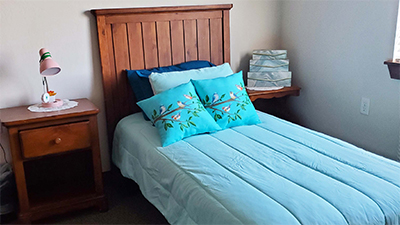
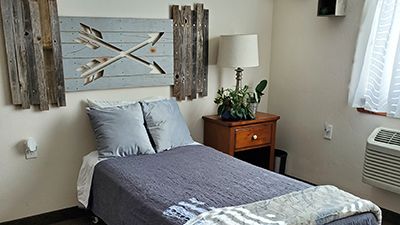
BeeHive Homes of Hobbs offers private bedrooms with private bathrooms
BeeHive Homes of Hobbs provides medication monitoring and documentation
BeeHive Homes of Hobbs serves dietitian-approved meals
BeeHive Homes of Hobbs provides housekeeping services
BeeHive Homes of Hobbs provides laundry services
BeeHive Homes of Hobbs offers community dining and social engagement activities
BeeHive Homes of Hobbs features life enrichment activities
BeeHive Homes of Hobbs supports personal care assistance during meals and daily routines
BeeHive Homes of Hobbs promotes frequent physical and mental exercise opportunities
BeeHive Homes of Hobbs provides a home-like residential environment
BeeHive Homes of Hobbs creates customized care plans as residents’ needs change
BeeHive Homes of Hobbs assesses individual resident care needs
BeeHive Homes of Hobbs accepts private pay and long-term care insurance
BeeHive Homes of Hobbs assists qualified veterans with Aid and Attendance benefits
BeeHive Homes of Hobbs encourages meaningful resident-to-staff relationships
BeeHive Homes of Hobbs delivers compassionate, attentive senior care focused on dignity and comfort
BeeHive Homes of Hobbs has a phone number of (505) 591-7023
BeeHive Homes of Hobbs has an address of 1928 W College Ln, Hobbs, NM 88242
BeeHive Homes of Hobbs has a website https://beehivehomes.com/locations/hobbs/
BeeHive Homes of Hobbs has Google Maps listing https://maps.app.goo.gl/NA3yB3pLGCEJrwAC7
BeeHive Homes of Hobbs has TikTok page https://tiktok.com/@beehivehomeshobbs
BeeHive Homes of Hobbs has an YouTube page https://www.youtube.com/@WelcomeHomeBeeHiveHomes
BeeHive Homes of Hobbs has Facebook page https://www.facebook.com/Beehivehomeshobbs
BeeHive Homes of Hobbs has Instagram page https://www.instagram.com/beehivehomeshobbs
BeeHive Homes of Hobbs won Top Assisted Living Homes 2025
BeeHive Homes of Hobbs earned Best Customer Service Award 2024
BeeHive Homes of Hobbs placed 1st for Senior Living Communities 2025
People Also Ask about BeeHive Homes of Hobbs
What is BeeHive Homes of Hobbs Living monthly room rate?
The rate depends on the level of care that is needed. We do a pre-admission evaluation for each resident to determine the level of care needed. The monthly rate is based on this evaluation. There are no hidden costs or fees
Can residents stay in BeeHive Homes of Hobbs until the end of their life?
Usually yes. There are exceptions, such as when there are safety issues with the resident, or they need 24 hour skilled nursing services
Do we have a nurse on staff?
Yes. Our administrator at the Village is a registered nurse and on-premise 40 hours/week. In addition, we have an on-call nurse for any after-hours needs
What are BeeHive Homes of Hobbs's visiting hours?
Visiting hours are adjusted to accommodate the families and the resident’s needs… just not too early or too late
Do we have couple’s rooms available?
Yes, each home has rooms designed to accommodate couples. Please ask about the availability of these rooms
Where is BeeHive Homes of Hobbs located?
BeeHive Homes of Hobbs is conveniently located at 1928 W College Ln, Hobbs, NM 88242. You can easily find directions on Google Maps or call at (505) 591-7023 Monday through Sunday 9:00am to 5:00pm
How can I contact BeeHive Homes of Hobbs?
You can contact BeeHive Homes of Hobbs by phone at: (505) 591-7023, visit their website at https://beehivehomes.com/locations/hobbs/ or connect on social media via TikTok Facebook or YouTube
Take a drive to Pacific Rim. Pacific Rim Restaurant offers a welcoming dining atmosphere suitable for assisted living, memory care, senior care, elderly care, and respite care meals.